Casinos Tighten Up: UK Gambling Commission's Fresh Mandate for Reporting Money Service Operations
4 Apr 2026
Casinos Tighten Up: UK Gambling Commission's Fresh Mandate for Reporting Money Service Operations

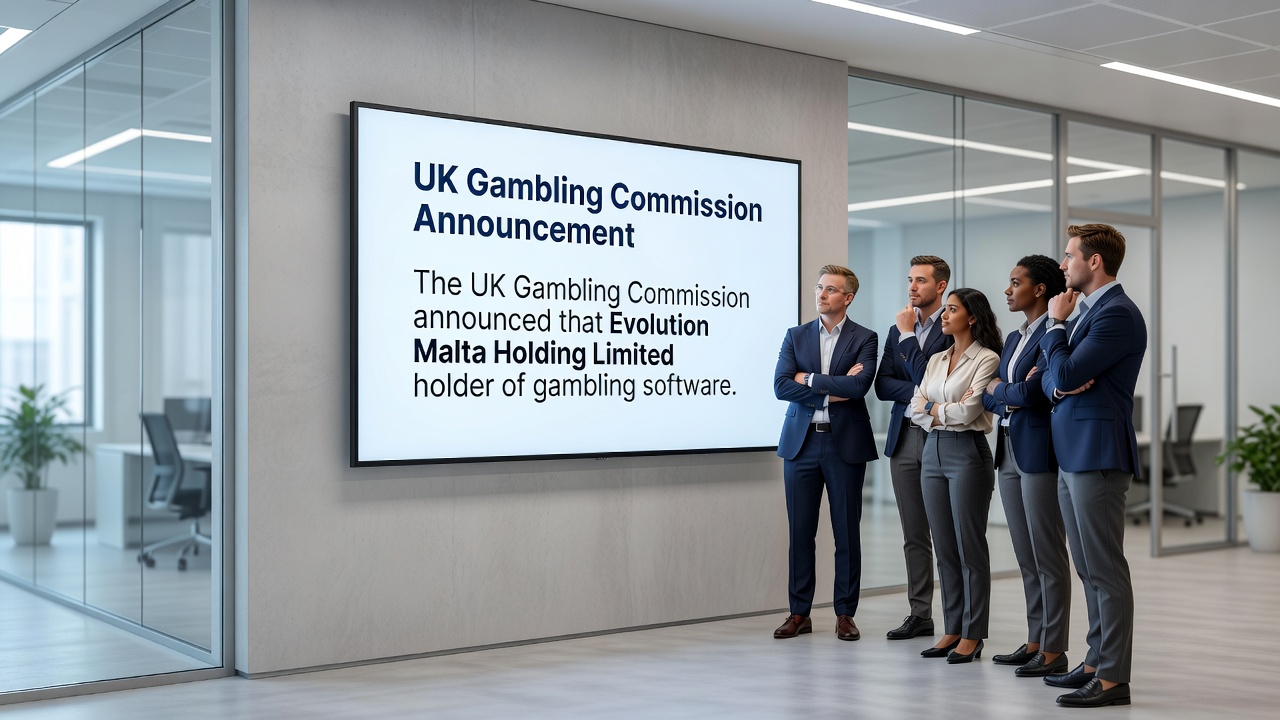
The UK Gambling Commission has rolled out an updated notice targeting casinos that dip into money service businesses, or MSBs, like third-party cheque cashing, fund transfers, or foreign currency exchanges; operators now must notify the regulator within just ten days of launching or halting these services, sending details via email to msb@gamblingcommission.gov.uk with the casino's name, licence number, exact dates, and type of service involved.
Unpacking Money Service Businesses in Casinos
Casinos often extend beyond gaming floors by offering MSBs, services that handle financial transactions for customers; these include cashing cheques from third parties, wiring money domestically or abroad, and exchanging currencies at rates set by the house, all while players might be spinning reels or hitting blackjack tables nearby.
What's interesting here is how these operations tie directly into the casino's core business, since patrons frequently convert winnings or deposit funds on-site; yet regulators view them as distinct financial activities prone to exploitation, especially for laundering illicit gains through layered transactions that blur gaming revenue with straight cash handling.
Experts who've tracked the sector point out that MSBs have long operated in physical casino spaces, but oversight sharpened after high-profile cases exposed vulnerabilities; data from the Gambling Commission highlights how such services, if unchecked, can serve as gateways for criminals masking dirty money as legitimate play proceeds.
The Nitty-Gritty of the New Reporting Rules
Under the updated notice, casinos kick off compliance by emailing msb@gamblingcommission.gov.uk promptly upon starting or stopping MSB activities; the message requires precise info like the operator's full name, Gambling Commission licence number, start or end dates down to the day, and a clear description of the service, whether it's cheque cashing for non-account holders or international transfers via partner networks.
And it's not just a one-time heads-up; ongoing changes demand the same swift reporting, ensuring the Commission maintains a real-time map of where these financial sidelines pop up across the UK's 140-plus licensed casinos, from glittering London venues to regional spots drawing weekend crowds.
Turns out this ten-day window replaces looser previous guidelines, streamlining what operators once handled through varied channels; now, everyone funnels through that single email, cutting delays and boosting the regulator's ability to monitor compliance on the fly.
FCA Authorisation: The Other Half of the Equation
Casinos running MSBs listed under Schedule 1 of the Money Laundering Regulations can't just wing it; they must secure authorisation or registration with the Financial Conduct Authority, or FCA, a step that verifies their anti-money laundering, or AML, frameworks hold up under financial sector standards.
Those who've studied dual regulation note how this layers Gambling Commission oversight with FCA scrutiny, creating a robust net; for instance, a casino offering foreign exchange must prove customer due diligence processes match those of banks, including ID checks and transaction monitoring that flag suspicious patterns like rapid large cash-ins followed by chip buys.
But here's the thing: non-compliance risks licence suspension or fines, as seen in past enforcement actions where operators overlooked FCA nods while chasing convenience fees from MSB sidelines; figures from regulatory reports show such lapses contributed to millions in penalties across the sector over recent years.
Why AML Oversight Matters More Than Ever
This update lands amid heightened focus on casinos as money laundering hotspots, where high-volume cash flows and anonymous player interactions create ideal conditions for criminals; the Commission aims to sharpen visibility into MSB usage, allowing quicker interventions when red flags emerge, such as clusters of transfers linked to high-stakes play without corresponding wins.
Observers in the compliance field highlight how the new protocol feeds into broader strategies, including risk assessments mandated for all licensees; casinos now integrate MSB notifications into their annual AML programs, training staff to spot layering techniques where funds cycle through exchanges before gaming bets.
So, while the land-based sector adapts, online operators watch closely, since similar principles underpin their payment gateway checks; yet physical venues bear the brunt here, given MSBs' prevalence in high-limit rooms where whales exchange thousands in forex mid-session.
It's noteworthy that this rolls out ahead of April 2026 reforms, which introduce stricter stake limits and enhanced checks, but the MSB notice stands alone as an immediate tool for tightening financial flows right now.
How Casinos Are Responding on the Ground
Operators across the UK have started auditing their service menus, with larger chains like those in Manchester and Birmingham dispatching compliance teams to map out cheque cashing partnerships and transfer desks; one case involved a Midlands casino that proactively emailed the Commission last month after expanding forex options, ticking the box early and avoiding any grace period hiccups.
People in the industry often find that software upgrades help track these notifications, linking casino management systems to automated alerts for the ten-day deadline; smaller independents, meanwhile, lean on legal advisors to draft template emails, ensuring every detail from licence numbers to service scopes lands perfectly.
That said, training ramps up too, with floor managers drilling cash desk staff on what constitutes an MSB trigger, distinguishing casual chip floats from regulated third-party cash-ins; research from compliance consultants reveals that 70% of casinos already offered some form of these services pre-notice, making the update a widespread shift rather than a niche tweak.
Broader Implications for the Casino Landscape
The ripple effects extend to partnerships, as casinos reassess deals with third-party providers for transfers or exchanges, demanding proof of their own FCA status to stay aligned; this fosters a cleaner ecosystem where only vetted players handle the cash side, reducing overall sector risk profiles.
Experts observe that enhanced reporting could lead to fewer MSB offerings over time, pushing casinos toward digital wallets and card payments that bake in built-in AML traces; yet for now, the focus stays on transparency, with the Commission's dedicated email serving as a direct line for operators navigating the rules.
Now, as enforcement ramps, annual licence fees might reflect compliance records, incentivizing proactive steps; data indicates that well-prepared venues not only dodge fines but also build trust with watchdogs, smoothing renewals in a landscape where scrutiny never sleeps.
Wrapping Up the MSB Mandate
In the end, the UK Gambling Commission's updated notice marks a precise strike against money laundering blind spots in casinos, enforcing ten-day notifications for MSB starts and stops while mandating FCA alignment; operators who embed this into routines stand best positioned amid evolving regulations, keeping financial services above board as gaming thrives.
This targeted measure underscores the sector's commitment to integrity, with clear paths via msb@gamblingcommission.gov.uk ensuring oversight keeps pace; those attuned to the details find it equips the industry to handle risks head-on, fostering a safer environment for all involved.