30 Jul 2026
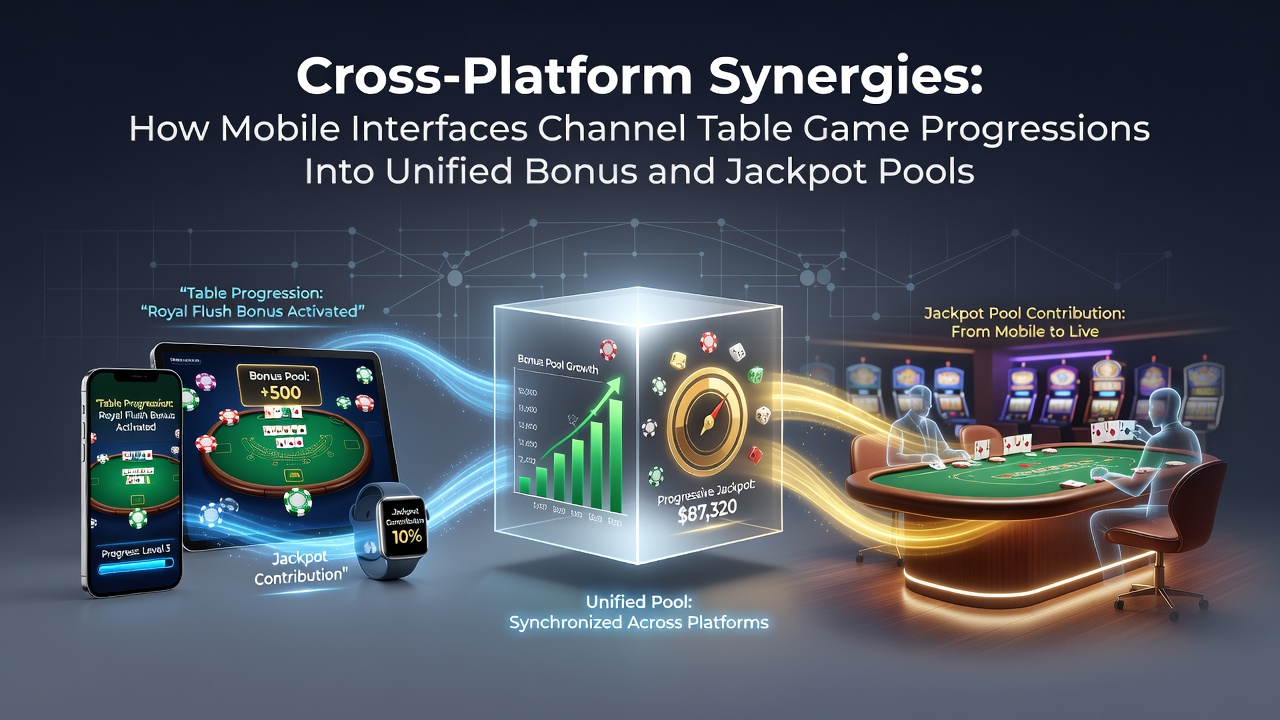 Operators have developed systems where mobile applications serve as central hubs that track player activity from table games and route those achievements into pooled reward structures shared across multiple platforms. These setups allow contributions from blackjack sessions, roulette spins, and poker hands to accumulate toward unified bonus tiers and jackpot funds accessible via smartphones, tablets, or desktop clients.
Mechanics of Progress Tracking Across Interfaces
Table game software records specific milestones such as consecutive wins, hand totals, or betting volumes, then transmits this data through secure APIs to centralized servers that manage collective pools, and mobile interfaces display real-time updates while enabling seamless shifts between game types without resetting accumulated values. Data from July 2026 shows increased adoption of these synchronization protocols among major platforms operating in North America and Europe, where operators report higher retention rates when players maintain continuous progress across sessions.
Take one operator in the United States who implemented a unified tracking module in early 2025, and the system began merging table game results directly with slot and sports betting pools, which produced measurable growth in overall participation according to internal metrics shared with industry observers. The approach relies on standardized data formats that prevent fragmentation, and it ensures that a player completing a poker tournament on a tablet can immediately apply those points toward a mobile-accessible jackpot draw later the same day.
Technical Integration and Data Flow
Developers use cloud-based ledgers to log every table game action in real time, then apply algorithms that calculate proportional contributions to shared pools based on game category and stake level, while mobile applications pull this information through lightweight interfaces that minimize latency. Industry reports from the American Gaming Association highlight how such architectures reduce administrative overhead by consolidating multiple reward ledgers into single management systems, and they note steady expansion of these models in regulated markets outside the United Kingdom.
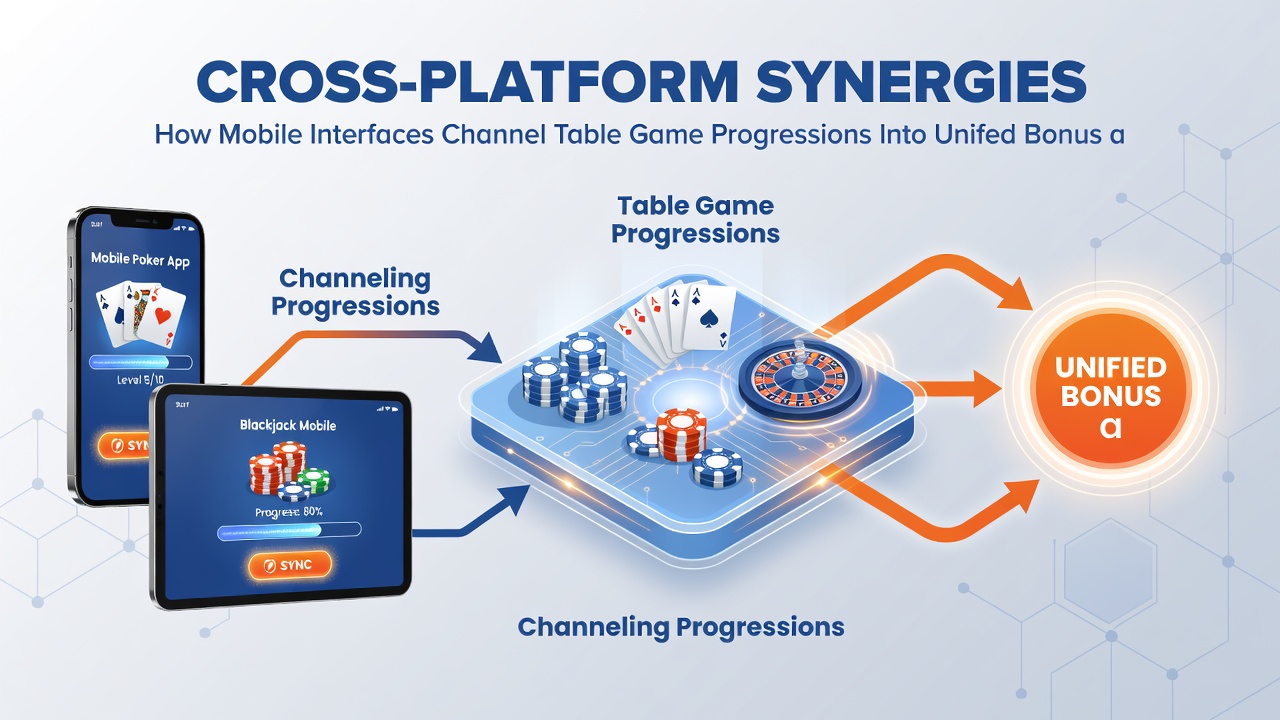
Security protocols encrypt each transaction segment, and compliance teams audit the flow at regular intervals to confirm accurate allocation across bonus categories. Researchers at several university gaming studies programs have examined these processes and found that cross-device continuity correlates with extended play durations when users see their table game efforts reflected in broader reward opportunities.
Player Experience and Pool Contributions
Participants often begin with a table game session on a mobile device, accumulate qualifying points through standard play mechanics, and watch those points feed directly into visible jackpot meters shared with thousands of other users across different game verticals. The result appears in updated balance displays that reflect combined activity rather than isolated game statistics, and this visibility encourages continued engagement because players observe incremental growth tied to their table performance.
One documented case involved a Canadian operator that linked baccarat progressions to a multi-game bonus pool in mid-2025, after which participation metrics showed table game volumes rising alongside mobile jackpot entries. External verification from the European Gaming and Betting Association indicates similar patterns emerging in several member jurisdictions where regulatory frameworks permit unified accounting across product lines.
Regulatory Context and Market Expansion
Jurisdictions in Australia and parts of Asia have begun reviewing standards for data portability between table game systems and mobile reward platforms, and preliminary guidelines issued around July 2026 emphasize transparent reporting of pool contribution rates. These developments align with broader industry shifts toward integrated ecosystems that treat table games as equal participants in collective reward structures rather than standalone offerings.
Operators continue to refine the algorithms that determine contribution percentages, and they test variations that weight different table variants according to volatility and average session length. The outcome supports more balanced pool growth while maintaining compliance with local licensing requirements that govern prize distribution.
Conclusion
Cross-platform systems now routinely channel table game progressions through mobile interfaces into unified bonus and jackpot structures, creating measurable connections between diverse gaming activities and shared reward outcomes. Continued technical refinements and regulatory adaptations in multiple regions support further expansion of these models, and available data from 2026 points to sustained integration across operator networks.