30 Jun 2026
Hidden currents: how live sessions quietly steer patterns in distant wagering choices
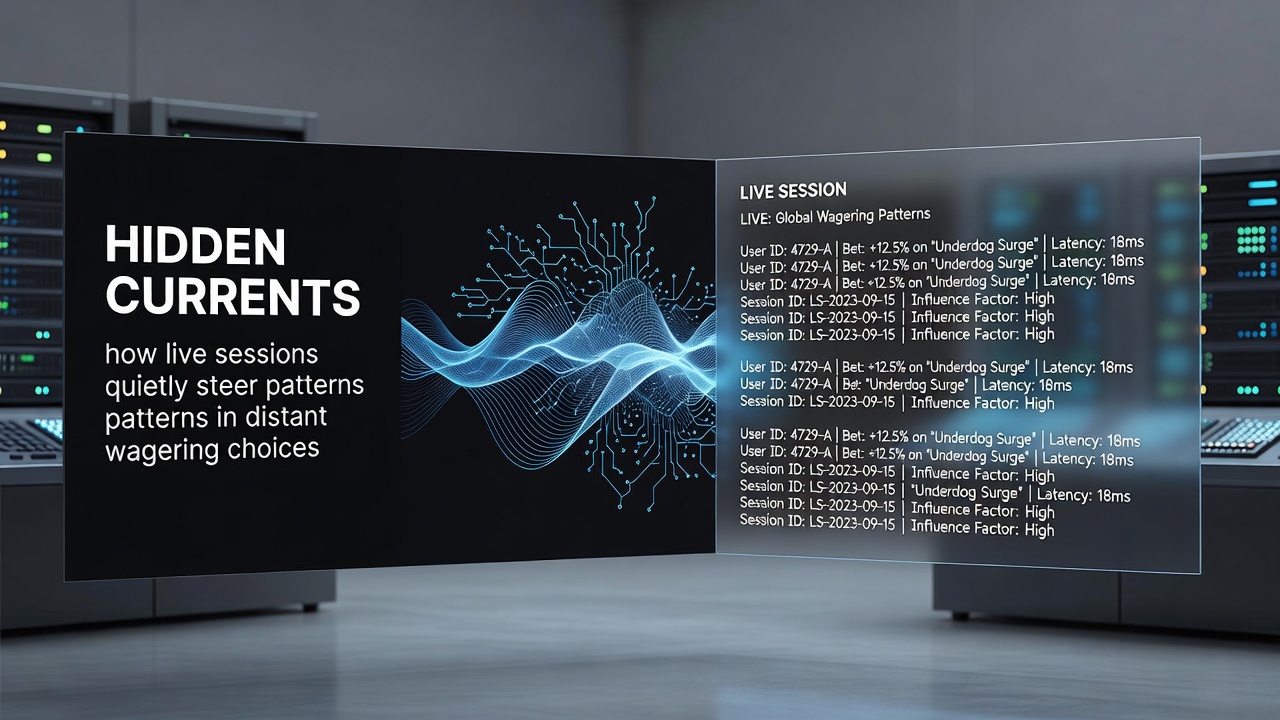
Live sessions in casino environments generate continuous streams of information that extend far beyond the physical table, and these flows shape betting decisions made by participants located elsewhere. Observers note that real-time dealer interactions, combined with visual and auditory cues, transmit subtle signals through digital platforms that reach remote users who engage via apps or websites. Data from industry reports indicates these connections operate without direct player awareness in many cases, creating patterns where choices in one location mirror developments occurring hundreds of miles away.
Mechanics behind the influence
Live dealer feeds deliver timing, pace, and outcome sequences that algorithms capture and redistribute to linked betting systems. Researchers at institutions such as the University of Nevada, Las Vegas have documented how these elements feed into predictive models used by operators, and the models then adjust odds or present options that align with ongoing table activity. A single spin or card draw at a central location can trigger adjustments visible to users in separate jurisdictions, and those adjustments often coincide with shifts in wager sizes or game selections among distant participants.
Behavioral tracking adds another layer. Session recordings capture facial expressions, dealer gestures, and crowd reactions that software translates into metadata. This metadata travels through shared networks, and remote platforms use it to highlight similar games or prompt bets that reflect current table momentum. Studies conducted in Canadian provinces show measurable increases in correlated wagers during periods when live feeds remain active, whereas isolated sessions produce less synchronized activity across regions.
Data patterns observed in 2026
By June 2026, aggregated figures from multiple operators revealed consistent correlations between live table duration and remote sports betting volumes on related events. Sessions lasting longer than forty-five minutes coincided with uptick in wagers placed on linked outcomes, such as team performance metrics or individual player statistics. The American Gaming Association published summaries noting that these alignments appeared across time zones, suggesting the influence travels through platform architecture rather than physical proximity.
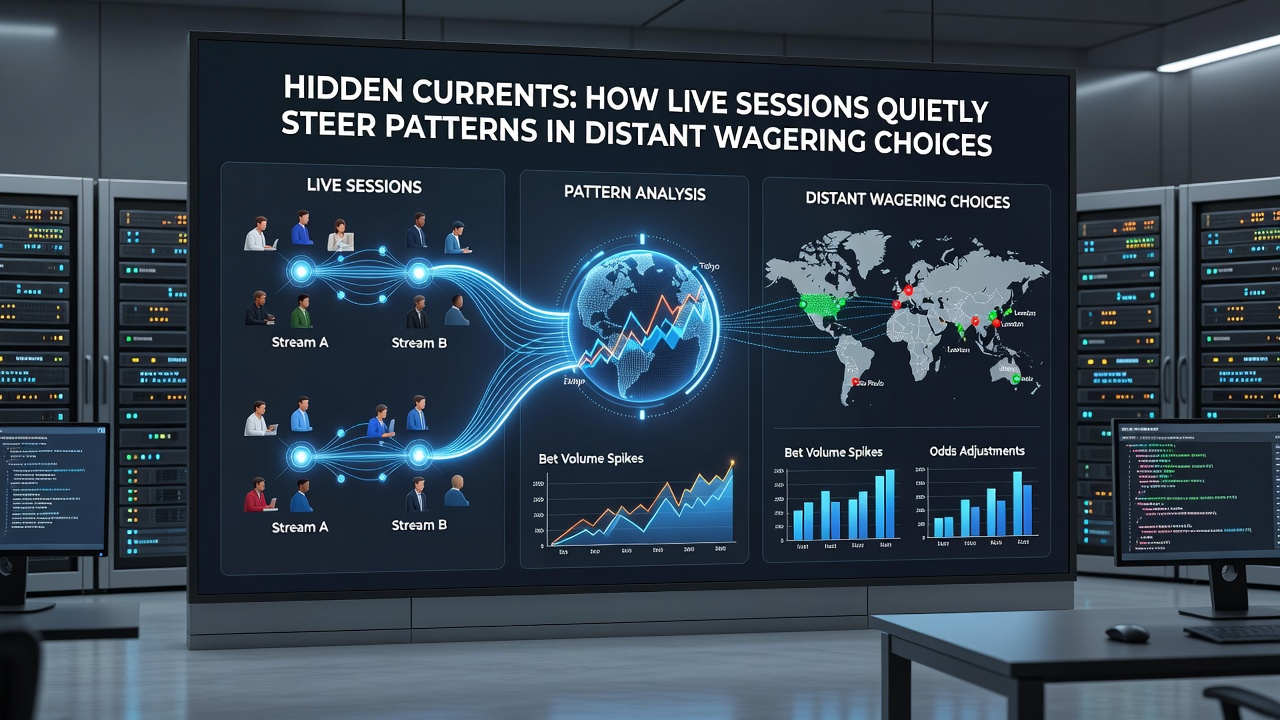
One analysis from Australian research groups examined user logs across hybrid platforms and found that exposure to live roulette sequences increased subsequent selections of number-based games in separate apps. The effect persisted even when users switched devices or locations, and it diminished only after live feeds ended. Such findings point to carryover effects driven by visual continuity and outcome timing rather than conscious strategy.
Regional examples and regulatory context
In European markets outside the United Kingdom, operators have integrated live feeds with sportsbook interfaces for several years. Data released by the Malta Gaming Authority shows clusters of activity where live blackjack sessions preceded spikes in football accumulator bets sharing thematic elements like card counts or streak indicators. Similar patterns surfaced in reports covering New Jersey operations, where live dealer poker tables influenced remote choices on horse racing markets that featured comparable probability structures.
Operators achieve these linkages through centralized content distribution systems. A dealer action recorded in one studio updates risk parameters that appear instantly on connected sites, and the updated parameters guide the presentation order of betting markets. Players encounter these presentations without explicit notification of the source, yet aggregate records demonstrate repeated alignment between live event timing and remote decision sequences.
Technological infrastructure supporting the process
Cloud-based synchronization tools maintain low-latency connections between live environments and remote interfaces. These tools record every frame and audio segment, then convert them into structured data points that influence recommendation engines. When a live session reaches a statistical threshold, such as a prolonged winning streak for one side, the engines surface parallel opportunities elsewhere on the platform. The process runs continuously, and it requires no manual intervention once parameters are set.
Third-party analytics providers supply additional layers. Firms specializing in player behavior supply dashboards that flag emerging patterns across live and remote channels, and operators apply these flags to adjust marketing sequences or interface layouts. The result is a feedback loop where distant wagering choices reflect the rhythm established in active live rooms, even when participants never interact directly with one another.
Conclusion
Live sessions function as anchors that transmit timing, outcome sequences, and behavioral cues through integrated digital networks. These transmissions produce measurable alignments in remote wagering activity, and the alignments appear consistently in operational data collected across multiple jurisdictions. As platforms continue to link live and remote products, the underlying currents remain embedded in the infrastructure that delivers both experiences to users worldwide.