14 Jul 2026
How Loyalty Tiers Integrate Spinning Reels, Dealer Interactions, and Sports Bets Within Mobile Ecosystems
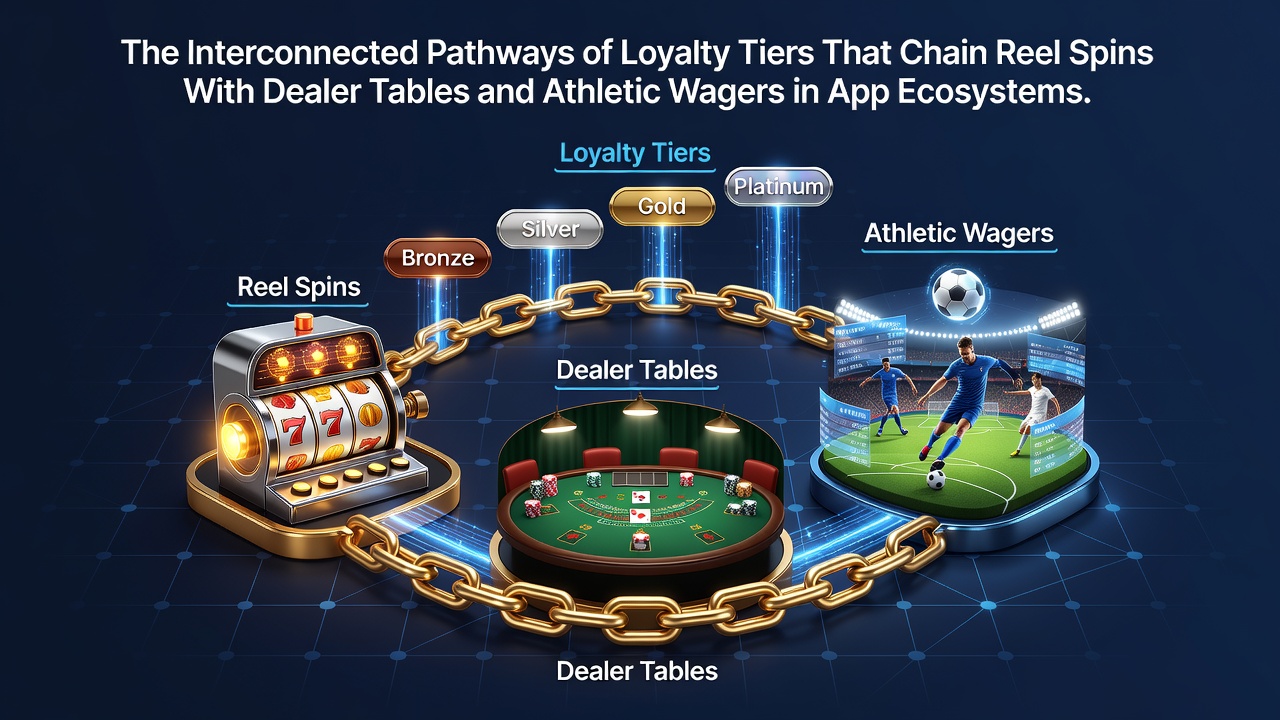
Digital platforms have developed loyalty structures that connect different forms of gaming activity into single user accounts. These systems track participation across reel-based games, live dealer sessions, and athletic event wagers, then convert accumulated activity into tiered rewards that apply across all three areas.
Core Mechanics of Tier Progression
Users advance through levels by completing actions that the platform records in a unified profile. A spin on a reel game adds points that contribute toward the same meter used for placing wagers on sports matches or joining live table sessions. Once a threshold is reached, the system unlocks benefits such as enhanced return percentages on future plays, priority access to certain tables, or reduced commission rates on betting markets.
Data compiled by industry analysts shows that platforms using this model report higher retention rates compared with systems that segment rewards by product type. The progression path typically includes five or six tiers, with each level requiring a greater volume of combined activity rather than isolated play in one category.
Cross-Product Reward Activation
When a user reaches a new tier, the platform applies the associated perks uniformly. A multiplier earned through consistent reel play can increase payouts on both table outcomes and sports results within the same session window. Observers note that this design encourages users to distribute activity rather than concentrate on a single product, which in turn generates more even data flows for teh operator's risk models.
Examples from several major operators illustrate the pattern. One European platform introduced a system in early 2025 where tier status granted free live dealer entries after a set number of sports wagers, while another North American operator allowed accumulated reel points to offset minimum bet requirements on athletic markets. These features rely on real-time synchronization between separate game engines and a central loyalty database.
Technical Integration Requirements
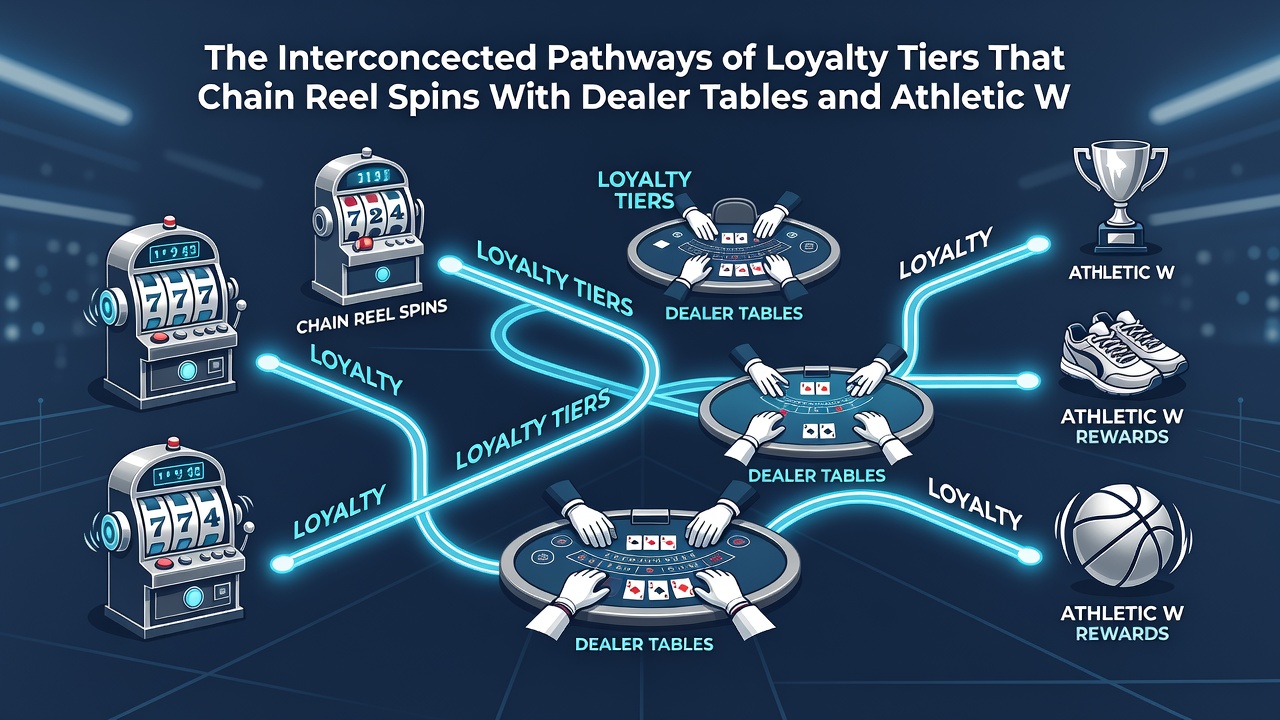
Developers must maintain APIs that push activity logs from each vertical into a shared ledger. Reel spin outcomes, table game results, and sports bet settlements all feed into the same calculation engine that determines tier status. Security protocols require encryption of transaction data and regular audits to confirm that point awards match actual play volume.
Research from the University of Nevada's gaming studies department indicates that platforms with robust cross-product tracking experience fewer discrepancies during compliance reviews. The same infrastructure also supports responsible gaming tools that set unified deposit or time limits across all three categories rather than product-specific controls.
Regional Regulatory Context in July 2026
By July 2026 several jurisdictions outside the United Kingdom had updated their frameworks to address unified loyalty systems. Canadian provincial regulators issued guidance requiring clear disclosure of how points earned in one product category affect rewards in another. Australian authorities began collecting statistics on cross-product play patterns to assess potential impacts on player behavior.
These updates emphasize transparency rather than prohibition. Operators must display tier requirements and benefit values in a single location within the app, allowing users to view their status without switching between separate game sections. Figures released by state gaming boards in the United States show that integrated loyalty programs now represent a growing share of total player activity in regulated markets.
Impact on User Behavior Patterns
Analytics teams track how tier incentives influence session length and product selection. Records indicate that users who receive cross-category multipliers tend to alternate between reel games and sports wagers within the same login period more frequently than those on single-product schemes. The design reduces the likelihood that any one vertical experiences prolonged inactivity while others remain busy.
Industry reports from the European Gaming and Betting Association document similar trends across multiple operators. The reports note that tier resets at the end of promotional cycles often trigger increased activity across all linked products as users seek to maintain or improve their standing before the next period begins.
Future Development Directions
Platform providers continue to refine the algorithms that balance point values across different game types. Adjustments account for volatility differences between reel outcomes and the more predictable structure of many sports markets. Testing phases in several regions explore the addition of new reward types, such as shared tournament entries that combine elements from table games and athletic events.
Technical standards groups have begun drafting common data formats to simplify integration for smaller operators. These formats aim to reduce development costs while maintaining the security and audit requirements already established in larger deployments.
Conclusion
Loyalty tier systems that link reel spins, dealer tables, and athletic wagers operate through centralized tracking and uniform reward application. Data from multiple regulatory regions in 2026 shows continued expansion of these models alongside updated disclosure rules. The underlying infrastructure relies on synchronized databases and cross-product APIs that convert activity from any vertical into tier progression and shared benefits.