7 Jul 2026
Loyalty Cycles at Work: VIP Tiers Routing Payment Incentives into Table Game Jackpots and Sports Bet Multipliers
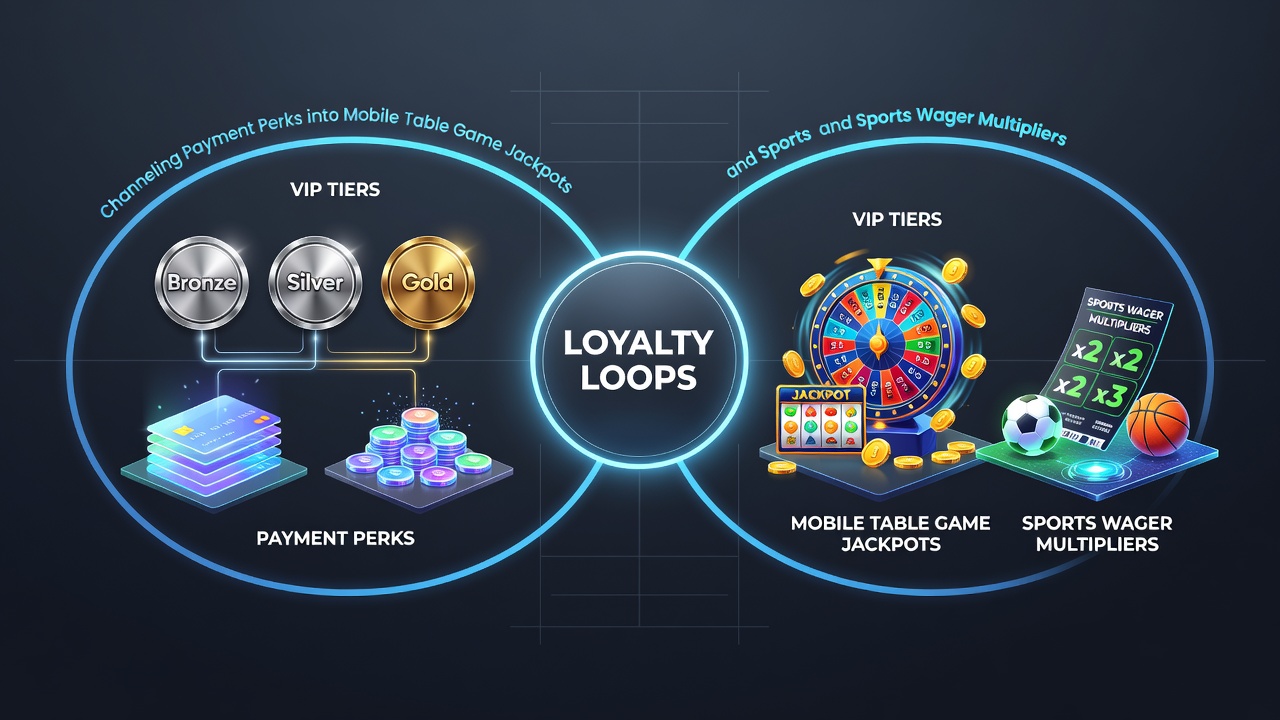
Payment systems now feed directly into layered reward structures where deposits trigger tier advancements that return value through jackpot contributions on mobile table games and enhanced multipliers on sports wagers. Observers note these loops create continuous cycles because each transaction adds both immediate play credits and long-term access to pooled prize funds.
Mechanics Behind the Loops
Operators structure VIP programs so that payment volume determines tier placement, and each tier unlocks specific allocations back into jackpot pools or multiplier pools. A deposit processed through approved channels earns base points that accumulate toward higher status, while a percentage of the transaction value routes automatically into progressive systems attached to games like mobile blackjack or roulette variants. Researchers at the University of Nevada, Reno have documented similar patterns in gaming loyalty data where payment-linked contributions sustain jackpot growth rates across multiple titles simultaneously.
Tiers typically progress from entry levels offering modest multiplier boosts on sports markets to premium ranks that channel larger portions of transaction fees into shared prize pools for table games. Data from the Nevada Gaming Control Board shows consistent increases in jackpot seeding when operators tie payment processing directly to reward distribution algorithms. Those who monitor these systems find the loops maintain engagement because players see both short-term wager enhancements and accumulating jackpot potential tied to the same payment activity.
Mobile Table Game Jackpot Integration
Developers embed jackpot mechanics into mobile table game platforms where VIP perks convert payment rewards into ticket entries or direct contributions. A player completing a deposit at a mid-tier status might receive an automatic allocation that adds to progressive meters visible in real time during blackjack or baccarat sessions. This approach differs from standalone slot progressives because table game contributions often scale with bet size and tier level, creating larger average payouts as more participants cycle through the system.
Studies indicate mobile interfaces display these contributions transparently so users track how payment activity builds jackpot eligibility across sessions. In July 2026 several platforms expanded these features by linking payment processor rewards to exclusive table game variants that carry higher contribution rates for top-tier members. The result appears in pooled prize growth that accelerates when multiple payment methods feed the same loyalty framework.
Sports Wager Multiplier Channels
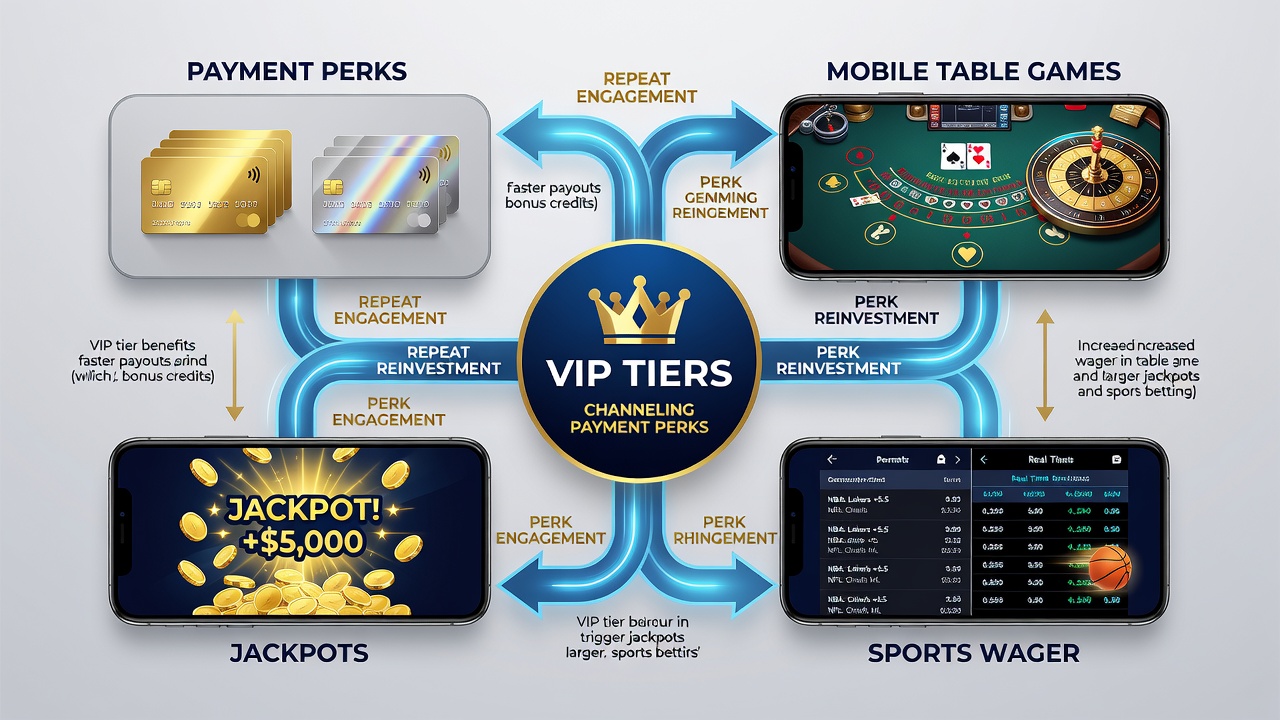
Sports betting sections incorporate multiplier systems where VIP status from payment history applies automatic boosts to odds or payout calculations. A deposit that advances tier placement can unlock a multiplier that scales returns on selected markets without altering base stake requirements. These enhancements operate alongside standard loyalty points yet draw from the same payment-derived resource pool that supports table game jackpots.
Industry reports from the European Gaming and Betting Association highlight how operators synchronize these multipliers with live event calendars so payment activity generates timely value during major competitions. Participants at higher tiers receive proportionally larger multiplier applications because their payment volume has already contributed to the underlying reward infrastructure. The structure keeps the loop intact because each wager completed under an enhanced multiplier can generate additional points that sustain or elevate tier status.
Cross-Product Flow Patterns
Payment incentives rarely remain isolated within one product category. Instead systems route portions of transaction value across both table game jackpots and sports multipliers within a single loyalty framework. A single deposit might allocate 40 percent of its reward component to progressive table game meters while directing the remainder toward sports multiplier credits available for upcoming fixtures. This distribution maintains balance because operators adjust allocation ratios based on player tier and historical activity data.
Those who track platform analytics observe that cross-product routing increases retention metrics because users experience benefits in whichever vertical they prefer while the overall loyalty loop continues. July 2026 updates in several regions refined these allocation engines to respond faster to payment method preferences, allowing instant redirection when players switch between e-wallets and card transactions.
Conclusion
Loyalty loops function through deliberate connections between payment processing, tier advancement, and reward distribution across mobile table game jackpots and sports wager multipliers. Data from regulatory and academic sources confirms these structures rely on transparent contribution mechanisms that scale with player activity. The patterns established by mid-2026 demonstrate consistent integration where each payment reinforces both immediate enhancements and accumulating prize opportunities. Operators continue refining allocation models to sustain these cycles across diverse gaming formats.