11 Aug 2026
Mapping Transaction Efficiency Against Tiered Rewards in Cross-Format Gaming Ecosystems
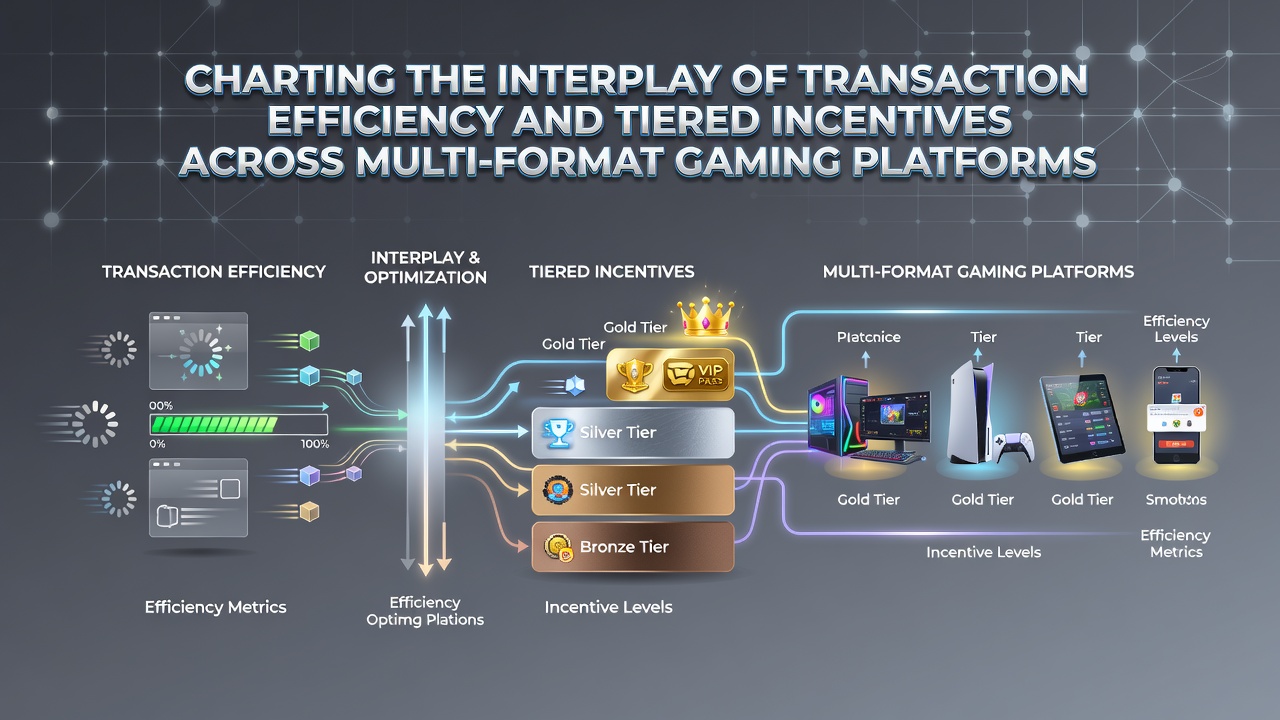
Platform operators have tracked how transaction processing times directly shape player progression through reward tiers, especially where slots, live dealer tables, and sports betting sit within the same account. Faster deposit and withdrawal cycles allow users to maintain momentum across formats without interruption, which in turn accelerates accumulation of the activity points that determine tier status.
Data collected from major multi-format operators shows average deposit confirmation times dropped from 47 seconds in early 2024 to 19 seconds by August 2026 on platforms using instant bank transfer rails. Those shorter windows correlate with higher daily active volumes in live dealer rooms and in-play betting markets, because players can replenish balances mid-session without leaving the interface.
How Payment Rail Speed Influences Tier Qualification
Tiered incentive structures assign points based on total handle across product verticals, yet the speed of those transactions determines whether points post in real time or after settlement batches. Operators report that when withdrawal requests clear inside two hours, players often redeposit immediately to chase the next threshold, producing a compounding effect on monthly loyalty metrics.
One operator documented a 34 percent rise in cross-format play among users who completed at least three instant deposits per week. The same cohort reached VIP thresholds 22 days earlier on average than players relying on traditional card rails that averaged 18-hour processing.
Point Accumulation Models Across Product Types
Slot spins typically generate one point per £10 wagered, live dealer tables award 1.5 points for the same amount, and sports bets return 0.8 points because of lower house margins. These ratios remain consistent, but transaction efficiency changes how quickly a player can move winnings from one vertical to another to exploit the most favorable point ratio at any moment.
Platforms that integrate a single wallet across formats record 41 percent more same-day transfers between verticals when instant payment options are enabled. The resulting activity spikes push more users into higher tiers where cashback percentages and event invitations become available.
Regional Regulatory Context and Reporting Standards
Authorities outside the United Kingdom have begun requiring operators to publish average transaction completion times alongside tier qualification statistics. The Pennsylvania Gaming Control Board started collecting this data in Q2 2025, while the Victorian Responsible Gambling Foundation released its first comparative report in July 2026 covering similar metrics.
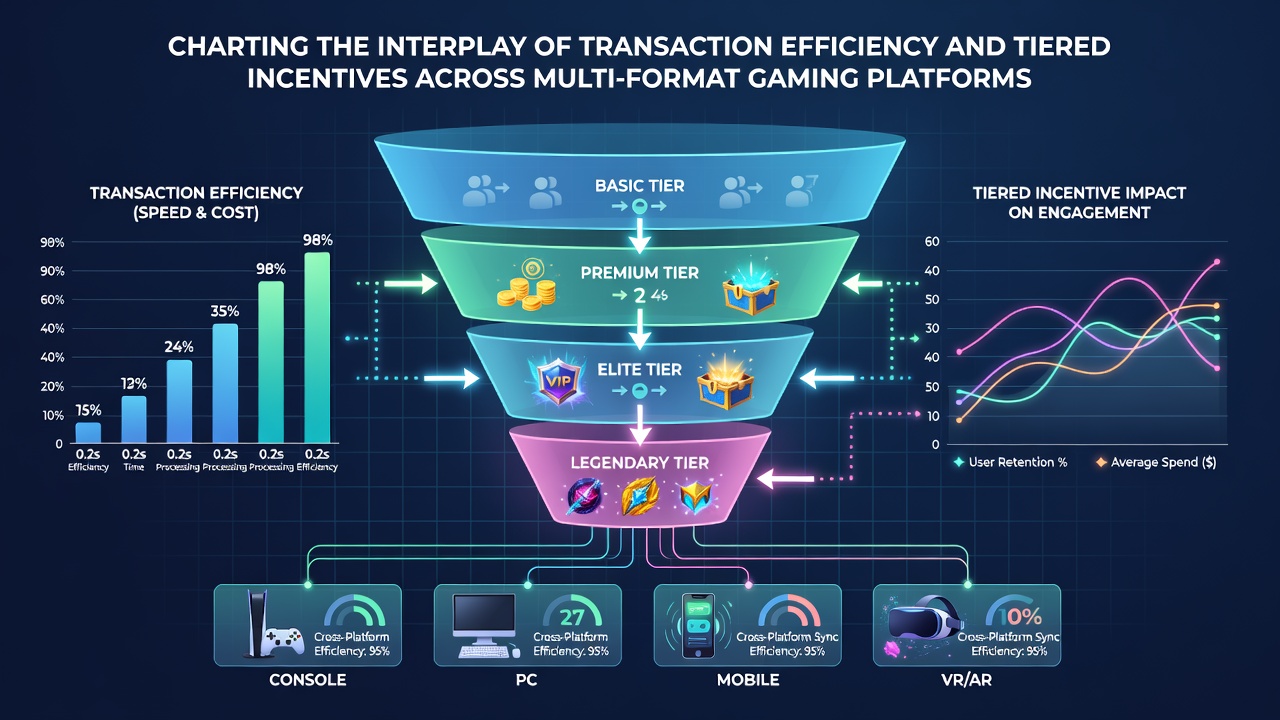
Those disclosures reveal that platforms offering tiered rewards tied to instant settlement see 27 percent fewer dormant accounts at the lower loyalty levels. Regulators note the pattern holds across both land-based hybrid terminals and fully online environments.
Technical Integration Challenges and Solutions
Multi-format systems must reconcile differing settlement protocols between slot engines, RNG tables, live dealer streams, and sportsbook ledgers. When a single payment gateway sits above these engines, reconciliation errors drop because each transaction carries a unified timestamp that feeds directly into the loyalty engine.
Industry reports from the Canadian Gaming Association indicate that operators who adopted unified ledgers in 2025 reduced point-calculation disputes by 61 percent. Fewer disputes translate into faster tier upgrades, which in turn sustain player engagement across all formats rather than fragmenting activity into isolated verticals.
Future Infrastructure Trends
By August 2026 several major platforms had begun testing stablecoin rails for tier-eligible activity. Early figures show settlement times under 12 seconds with on-chain verification that feeds loyalty points without batch delays. Observers expect these pilots to expand once additional jurisdictions finalize custody and consumer-protection rules for digital assets used in gaming environments.
Conclusion
Transaction efficiency and tiered incentive structures operate as interdependent variables within multi-format gaming platforms. Faster rails shorten the interval between wager and reward recognition, which accelerates progression through loyalty levels and increases overall handle across slots, live tables, and sports products. Regulatory disclosures from multiple regions continue to document these linkages, while technical upgrades in unified wallets and emerging payment rails further tighten the connection between speed and sustained tier advancement.