28 Jun 2026
Nightfall Networks: Charting the Pathways of Prize Accumulation in Unified Gaming Ecosystems
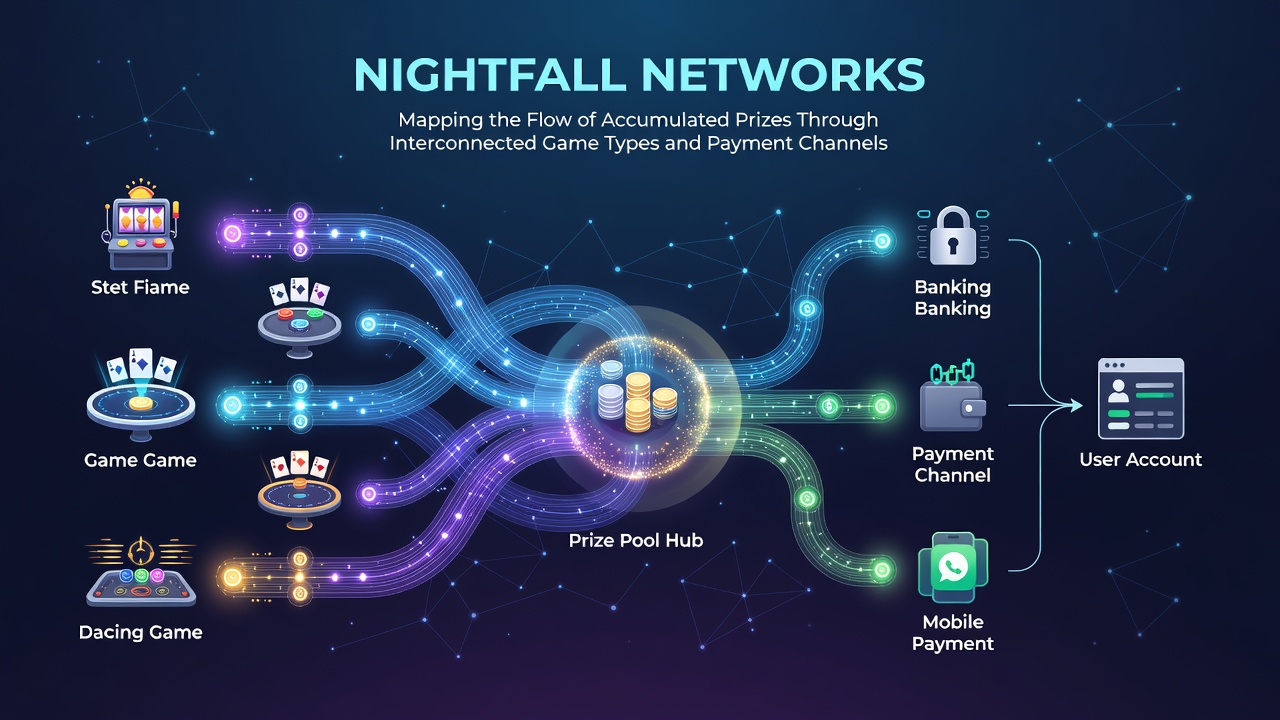
Observers in the gaming sector have tracked Nightfall Networks as systems that link accumulated prizes across multiple game formats and payment routes, creating pathways where winnings move between slots, table games, and sports betting platforms through shared prize pools. These networks operate by pooling contributions from various player activities, then distributing them via coordinated mechanisms that connect different game categories without requiring separate accounts for each type.
Core Components of Prize Flow Systems
Data from industry reports shows that Nightfall Networks rely on three primary layers: game interconnection protocols, prize accumulation engines, and payment channel bridges. Game types feed into central pools where contributions from reel spins, card hands, and event wagers combine into single accumulators. Payment channels then handle transfers, converting accumulated values into credits or direct disbursements while maintaining audit trails across regions. Researchers at the Australian Gambling Research Centre have documented how these layers reduce fragmentation, allowing prizes earned on one platform segment to appear as available funds in another within the same network cycle.
Turns out the mechanics involve real-time synchronization, where each game type sends incremental contributions to a shared ledger. Slots might add fixed percentages from bets, table games contribute through side bet structures, and sports pools feed in from parlay accumulators. This setup creates cascading effects, where a large payout in one area triggers visibility of remaining balances in linked categories, all routed through standardized payment gateways that support both fiat and digital transfers.
Interconnections Across Game Categories
Slots serve as high-volume entry points in these networks because of their rapid spin cycles and consistent contribution rates to progressive elements. Live dealer tables integrate through side bet features that direct portions of wagers toward networked jackpots, while sports betting sections add layers via accumulator bets that tie into the same prize reservoirs. Evidence from operational data indicates that such linkages allow a single prize pool to draw from all three segments simultaneously, increasing the rate at which totals grow compared to isolated systems.
Payment channels act as the conduits, supporting instant credit movements between game interfaces. Operators configure these routes to handle micro-transfers of accumulated values, converting them into playable balances or withdrawal requests without manual intervention. Figures from the Nevada Gaming Control Board reveal that networks using multi-channel payment bridges process prize flows across game types at volumes exceeding standalone operations by measurable margins in transaction logs.
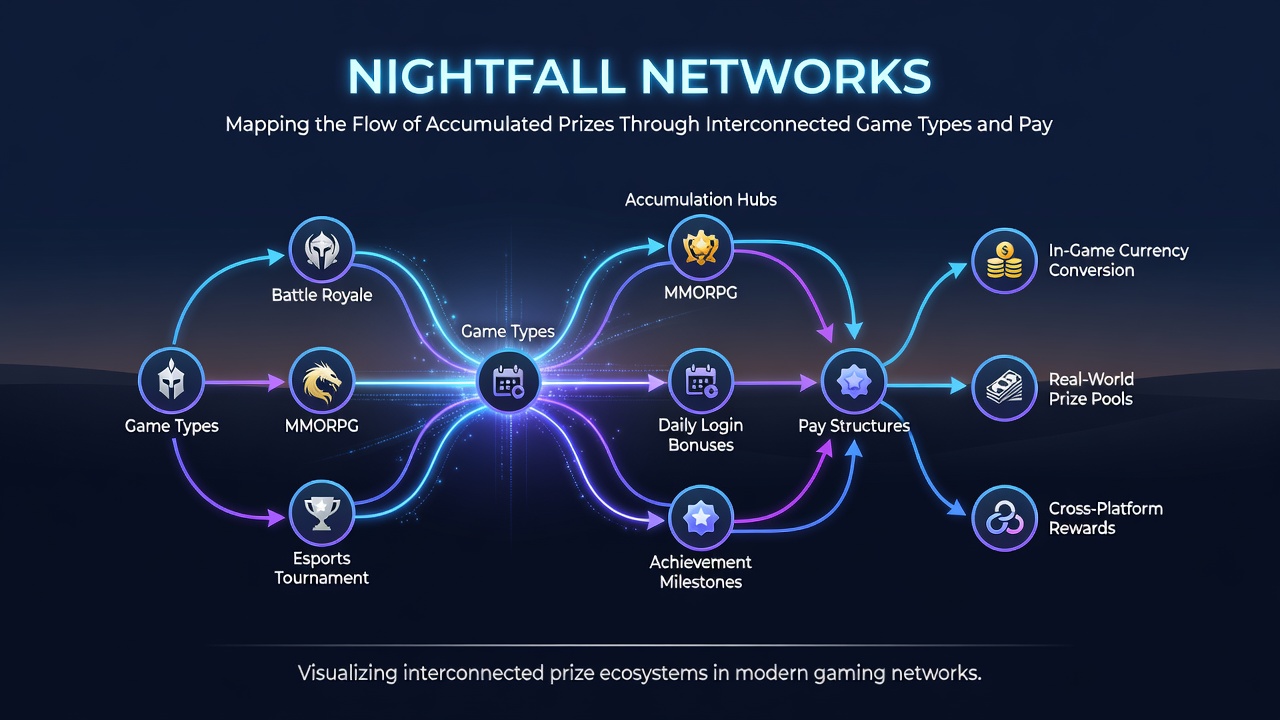
Mapping Mechanisms and Data Patterns
Analysts map these flows using transaction timestamps and contribution percentages to trace how prizes travel. A contribution originating from a slots session enters the central accumulator, mixes with table game inputs, and becomes accessible via sports betting interfaces after crossing payment thresholds. What's interesting is the role of timestamp alignment, which ensures that simultaneous activities across game types update shared balances without lag, creating a unified view for participants who switch between formats.
June 2026 brought updated reporting standards in several jurisdictions that required clearer documentation of cross-game prize movements. These requirements highlighted how Nightfall Networks handle settlement through diversified payment options, including bank transfers, e-wallets, and prepaid cards, each configured to recognize network-wide accumulations. Academic studies from the University of Nevada, Las Vegas, gaming research division have examined these patterns and noted consistent growth in pool sizes when multiple game types feed into single accumulators.
Operational Examples in Practice
One documented case involves a European operator that linked its slots progressive to table game side bets and sports parlay pools through a central Nightfall-style ledger. Contributions flowed daily, with payment channels processing conversions that allowed winners to access funds across segments. Similar structures appear in North American markets where regulatory filings show increased prize distribution rates tied to interconnected payment routing.
Those who've examined ledger data observe that payment channel efficiency directly affects how quickly accumulated prizes reach end users. Faster gateways reduce holding periods, while slower ones create bottlenecks that delay visibility of cross-game winnings. Industry organizations such as the World Lottery Association have compiled overviews indicating that networks emphasizing payment interoperability report higher participant retention across game categories.
Conclusion
Nightfall Networks continue to evolve as frameworks that map prize flows through coordinated game interconnections and payment infrastructure. Available data from regulatory bodies and research institutions demonstrates measurable impacts on pool growth and distribution speed when multiple game types contribute to unified systems. Observers continue to monitor how these pathways adapt to changing transaction standards and technological integrations across global markets.