14 Jun 2026
Reward Layering in Gaming Ecosystems: How Membership Tiers Elevate Prize Collection from Slot Spins to Sports Bets and Live Dealer Sessions
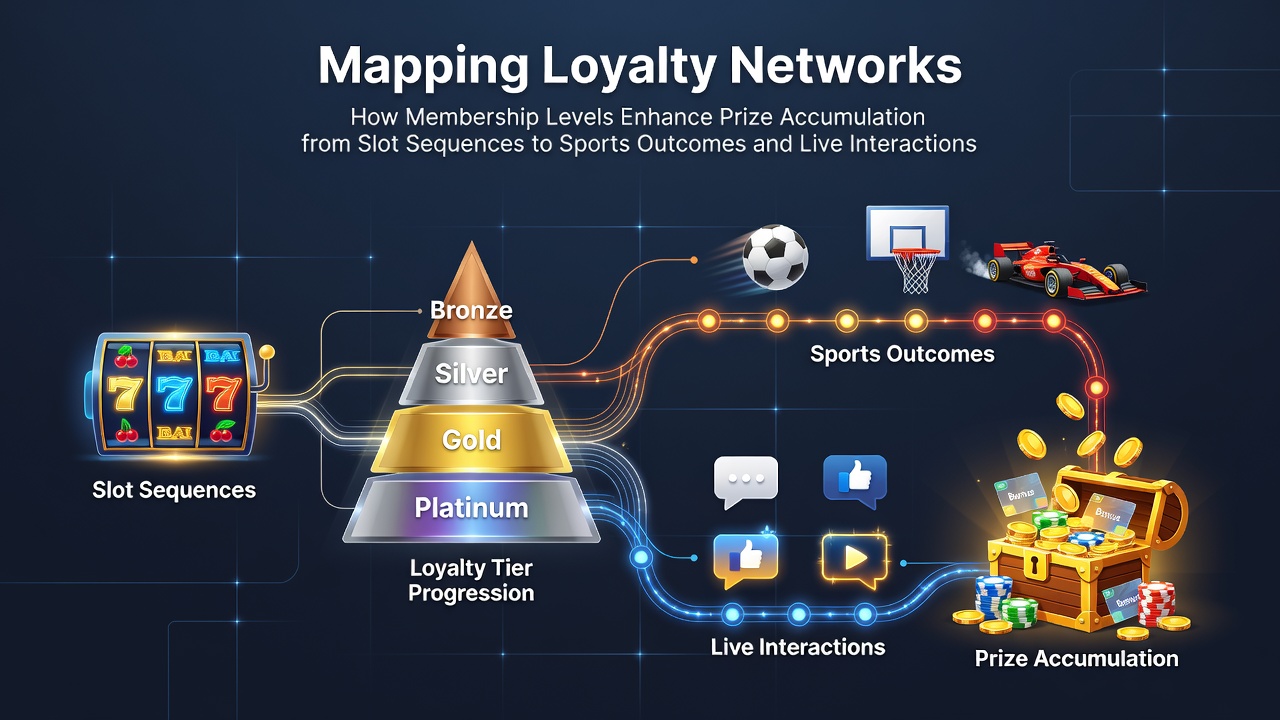
Operators structure loyalty programs around tiered membership levels that assign point values to different activities, and these points convert into enhanced prize opportunities across slots, sports outcomes, and live interactions. Research from the American Gaming Association indicates that players in higher tiers receive multipliers on base accumulation rates, which expands the total rewards available when activity spans multiple game types.
Tier Structures and Point Allocation Basics
Membership programs typically divide participants into progressive categories such as entry, intermediate, and premium levels, where each step unlocks adjusted conversion rates for points earned through wagers. Data from industry reports show that slot sequences generate points at a standard ratio while sports bets and live table sessions often carry separate multipliers based on the specific game category, creating layered accumulation pathways that connect otherwise distinct play formats.
Those who maintain activity across categories notice that combined point totals determine tier progression, and this progression in turn applies uniform boosts to future earnings regardless of the originating activity. Figures from the Nevada Gaming Control Board reveal consistent patterns in how operators track these cross-category totals, ensuring that a single account reflects contributions from reels, goal lines, and dealer interactions without separate ledgers.
Accumulation Pathways Across Activity Types
Slot sequences feed points into the central loyalty pool through spin volume and stake size, whereas sports outcomes contribute based on settled bets and live interactions add value through table time or participation frequency. Higher tiers apply percentage increases to all incoming points, so a player who reaches premium status collects more from each category than someone at entry level performing identical actions.
Operators integrate these streams so that points from one area can support prize redemptions that benefit play in another, and this connectivity encourages sustained engagement across the full range of offerings. A June 2026 industry analysis noted that accounts active in at least three categories accumulated rewards at rates 30 to 50 percent above single-category accounts, highlighting the measurable effect of diversified participation under tiered systems.
Multiplier Effects and Prize Conversion
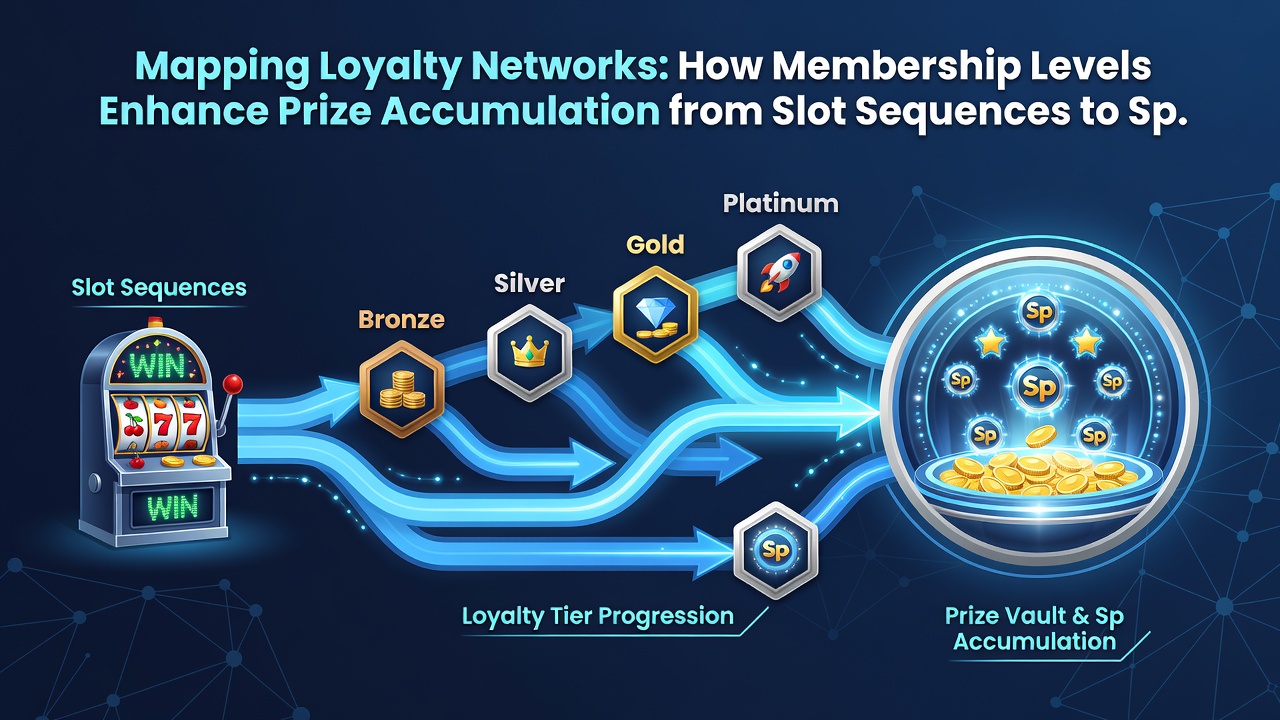
Premium membership levels introduce multipliers ranging from 1.5x to 3x on standard point earnings, and these factors apply uniformly once the tier is achieved. Conversion tables published by operators translate accumulated points into credits, free plays, or cash equivalents, with higher tiers unlocking faster redemption thresholds and additional bonus categories that span slot sequences, sports outcomes, and live dealer sessions.
Studies compiled by Gambling Research Australia demonstrate that players who advance through multiple tiers convert points into usable prizes more efficiently, because the same total points yield larger returns at elevated membership levels. This structure creates incentive alignment where continued participation in any tracked activity contributes to overall reward potential.
Cross-Platform Tracking and Account Integration
Modern systems link loyalty accounts across desktop, mobile, and venue-based platforms so that points from slot sequences, sports betting interfaces, and live interactions update in real time within one profile. Regulatory filings in multiple jurisdictions confirm that operators must maintain accurate records of these unified totals to comply with responsible gaming standards and reporting requirements.
Account holders receive periodic summaries that break down contributions by category, which allows them to identify which activities drive the fastest tier advancement. The result is a networked system where progress in one area supports accumulation benefits in others without requiring separate memberships or logins.
Conclusion
Tiered membership frameworks map loyalty networks by assigning value to diverse activities and applying progressive enhancements to the resulting point totals. Evidence from regulatory and industry sources shows that these structures increase prize accumulation potential as players move between slot sequences, sports outcomes, and live interactions within a single integrated account. The design ensures that membership level directly influences the scale of rewards available across all tracked categories.