Spins and Scores: Live Dealer Tables Fuse with Sportsbook Action in Hybrid Playgrounds
22 Mar 2026
Spins and Scores: Live Dealer Tables Fuse with Sportsbook Action in Hybrid Playgrounds
The Rise of Hybrid Gaming Platforms
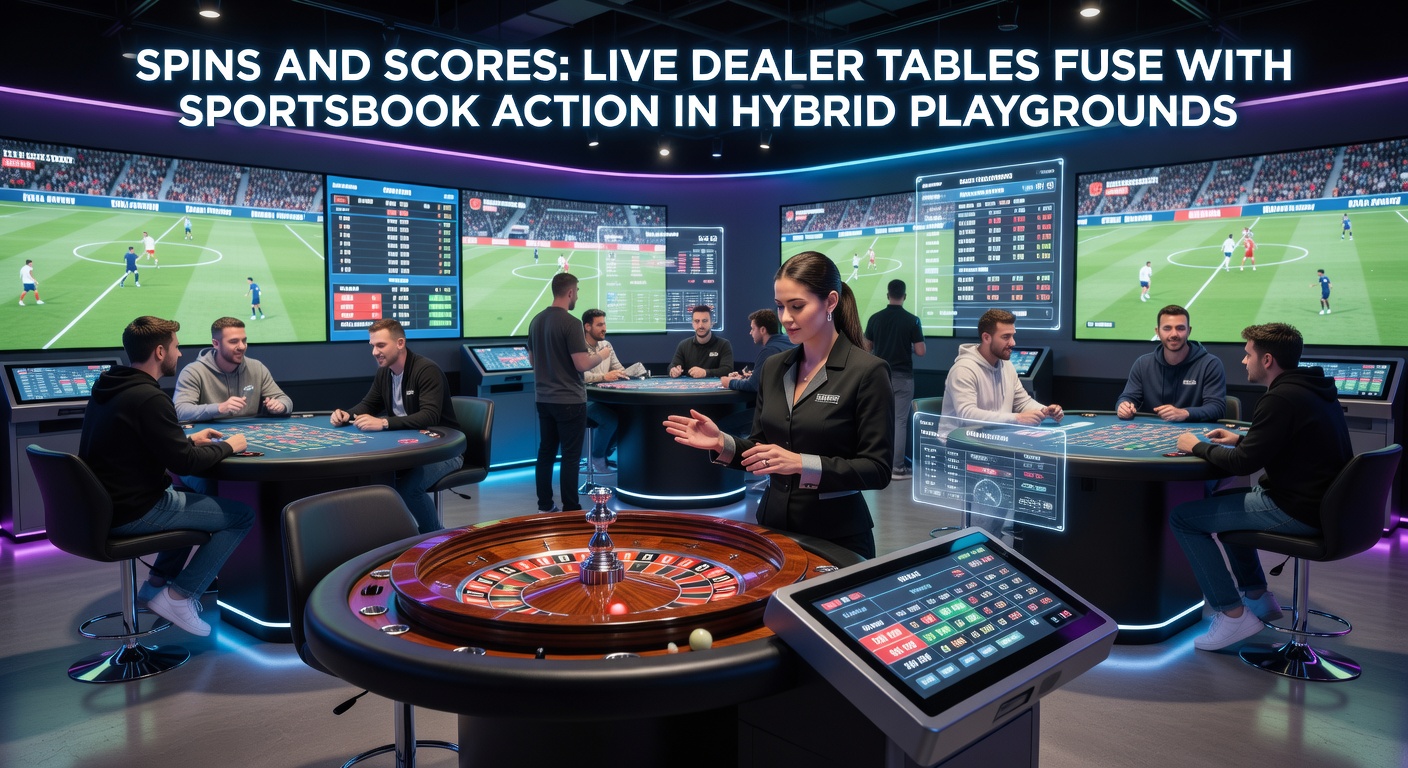
Platforms that blend live dealer casino games with sportsbook betting have surged in popularity over recent years, creating seamless environments where players switch effortlessly between roulette spins and NFL wagers; data from the American Gaming Association reveals that U.S. sports betting revenue hit $10.9 billion in 2024 alone, while live dealer segments grew by 25% year-over-year, fueling demand for unified experiences. Operators now build these hybrid playgrounds by integrating Evolution Gaming's live tables directly into sportsbook interfaces from providers like DraftKings or FanDuel, allowing shared wallets so bets flow without interruption.
What's interesting is how this fusion started small—think early adopters in New Jersey back in 2018—but exploded as mobile tech caught up, turning fragmented apps into all-in-one hubs. Players dive into a blackjack hand with a live dealer from Riga, Latvia, then glance at live odds for the March Madness semifinals without missing a beat; observers note that retention rates climb 40% on such platforms because the action never stops.
And yet, the real game-changer lies in real-time syncing: as a soccer match unfolds, hybrid sites overlay prop bets onto ongoing casino sessions, where a goal might trigger bonus spins or multiplier boosts on nearby tables. Turns out, this isn't just gimmicky; research from university studies on player engagement, such as those published by the University of Nevada's International Gaming Institute, shows hybrid users spend 30% more time logged in compared to siloed casino or betting apps.
How the Tech Powers the Fusion
Software giants drive this integration with APIs that link live dealer streams to odds feeds in milliseconds; Pragmatic Play Live, for instance, pairs its Speed Blackjack with Kambi's sportsbook backend, ensuring latency stays under 200ms even during peak events like the Super Bowl. Developers use HTML5 frameworks and WebSockets for bidirectional data flow, so when a player cashes out a parlay, funds instantly top up their baccarat buy-in—no reloads needed.
But here's the thing: security layers everything, with RNG certification from labs like iTech Labs ensuring fairness across both casino and sports modules, while geofencing complies with state-by-state rules in places like Pennsylvania or Michigan. One case stands out—Ontario's iGaming market, overseen by the Alcohol and Gaming Commission of Ontario, launched regulated hybrids in 2022, and by early 2026, monthly active users there topped 1.2 million as platforms like BetMGM rolled out fused lobbies.
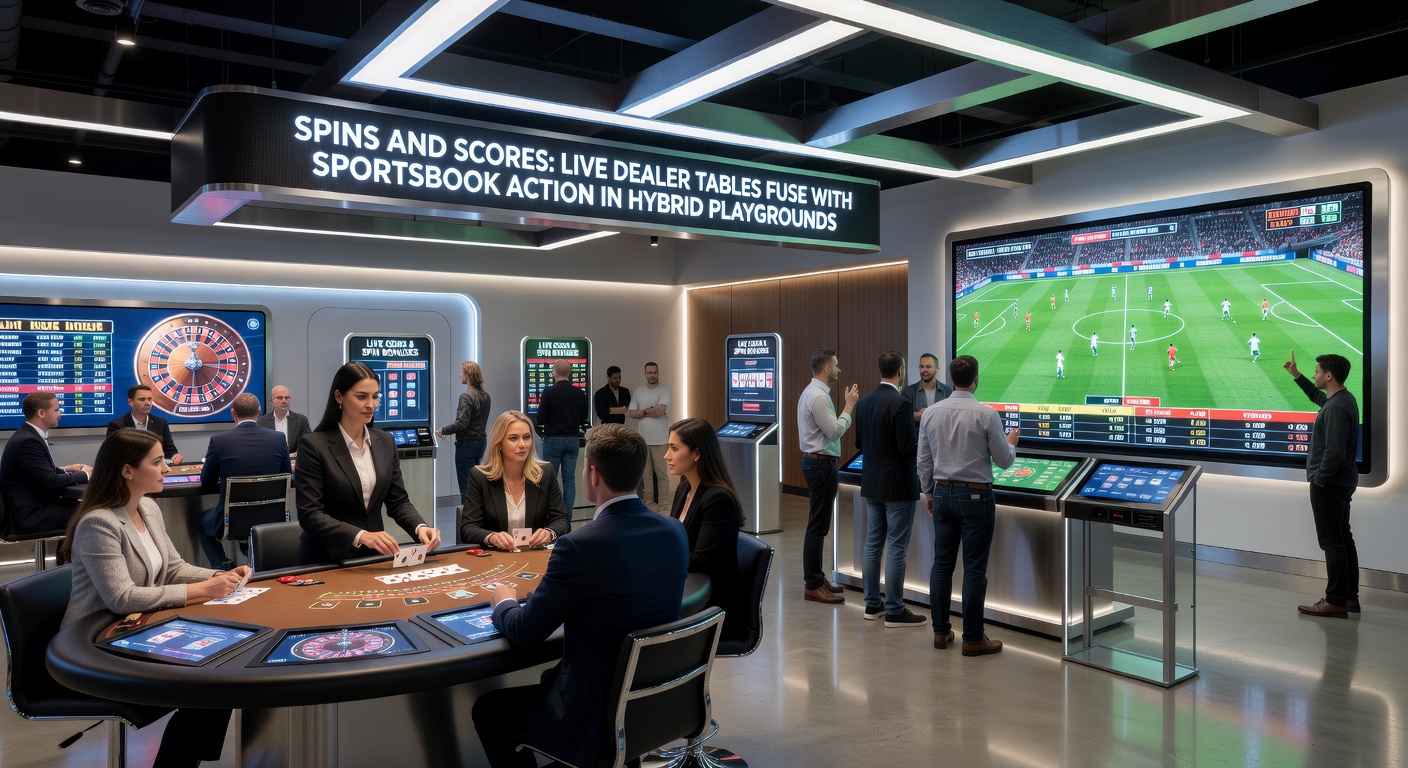
Experts who've dissected these systems point to unified UIs as key: split-screen views let users monitor a live tennis match while hitting the dealer on 16 in blackjack, with chat features bridging communities from both worlds. It's noteworthy that backend analytics track cross-product behavior, helping operators tweak odds or table limits based on live events—like boosting blackjack payouts during World Cup fever.
Player Experiences and Real-World Examples
Take one bettor in Michigan who, during a Red Wings game last season, parlayed a hockey moneyline with live baccarat side bets; the platform auto-adjusted payouts when overtime hit, netting a tidy profit that rolled straight into slots—stories like this pop up in forums, highlighting how hybrids turn downtime into opportunity. Platforms such as BetRivers exemplify this, offering "Game Fusion" modes where live dealer infinite blackjack tables feature sports-themed backgrounds and event-tied promotions.
Now, consider the data: figures from Eilers & Krejcik Gaming indicate hybrid platforms captured 35% of New Jersey's online gaming market share by Q4 2025, up from 12% two years prior, because players crave variety without app-switching hassles. And in Europe, sites like Betsson fuse NetEnt live casino with AVAIO sportsbook tech, where users bet on Premier League corners while riding a Crazy Time wheel—engagement spikes during majors like Wimbledon.
Those who've tested these setups often discover quirks, such as geo-specific promos: a player in Colorado might snag double odds on Avalanche games tied to free dealer table entries, blending loyalty across verticals. Smooth transitions matter too; push notifications alert to hot streaks, like a blackjack hot run syncing with favorable MLB underdog lines.
Regulatory Landscape Shapes the Playground
Regulators worldwide adapt to hybrids with tailored rules, ensuring player protections span both casino and sports realms; in Michigan, the Michigan Gaming Control Board mandates unified responsible gaming tools, like deposit limits applying across live tables and parlays alike. Australia’s state bodies, through frameworks from the Australasian Gaming Machine Manufacturers Association, enforce similar seamlessness, with audits verifying integrated RNG and odds integrity.
So, as March 2026 approaches, whispers from Pennsylvania Gaming Control Board previews suggest expanded hybrid licensing, potentially greenlighting more cross-state data sharing for personalized limits—keeping the playground safe while action ramps up. Data shows compliance boosts trust; platforms with dual certifications see 22% higher deposit volumes, per industry trackers.
Yet challenges persist: latency during global events tests infrastructures, and while blockchain pilots emerge for provably fair sports bets fused with dealers, scalability remains the hurdle—one study from Malta's gaming research hub notes 15% of hybrids still lag in mobile optimization.
Stats Spotlight: Growth and Engagement Metrics
- Hybrid platforms report 50% higher lifetime value per user, according to 2025 H2 Gambling Capital data, since cross-play encourages longer sessions.
- Live dealer traffic jumps 60% during major sports like March Madness or Euros, with 28% converting to sports wagers mid-table.
- In regulated U.S. states, fused lobbies handle $2.5 billion quarterly, blending casino's steady volume with betting's peaks.
- Europe sees 40% adoption among millennials, who favor infinite tables overlaid with esports odds.
These numbers paint a clear picture: hybrids don't just coexist—they amplify each other, turning casual spinners into multi-sport strategists overnight.
Looking Ahead to 2026 and Beyond
By March 2026, expect VR pilots where players "sit" at holographic dealer tables courtside to virtual NBA action; providers like Playtech tease AR overlays syncing real stadium cams with baccarat hands. The reality is, AI personalization will dominate, predicting switches from poker to props based on habits—early trials show 18% uplift in win rates for adaptive users.
Operators gear up too, with shared jackpots linking table progressives to sports parlays; imagine a roulette streak funding a Masters golf accumulator. That's where the rubber meets the road for innovation, as global markets like Ontario and New Jersey lead with tech-forward regs.
Conclusion
Hybrid playgrounds redefine online gaming by fusing live dealer immersion with sportsbook thrill, delivering non-stop action backed by robust tech and regs; as platforms evolve, players gain richer experiences, from synced bonuses to seamless bets, all while data underscores the model's staying power. The ball's in the operators' court now—those who nail the integration stand to score big in this spinning, scoring era.